PP woven & paper packaging, built around your product
Product range 02

Paper Packaging

Boxes, die-cut formats and sheets for product grouping, separation and shipment.

Paper-based protection

Structure follows the product and the route.

Corrugated paper packaging combines liner paper and fluted layers to create boxes, fitted formats and sheets for protection, grouping and separation.

Specify internal dimensions, gross weight, stacking conditions and moisture exposure before choosing the board and style.

Get a Paper Packaging Quote
Corrugated Box
Transport & storage

Corrugated Boxes

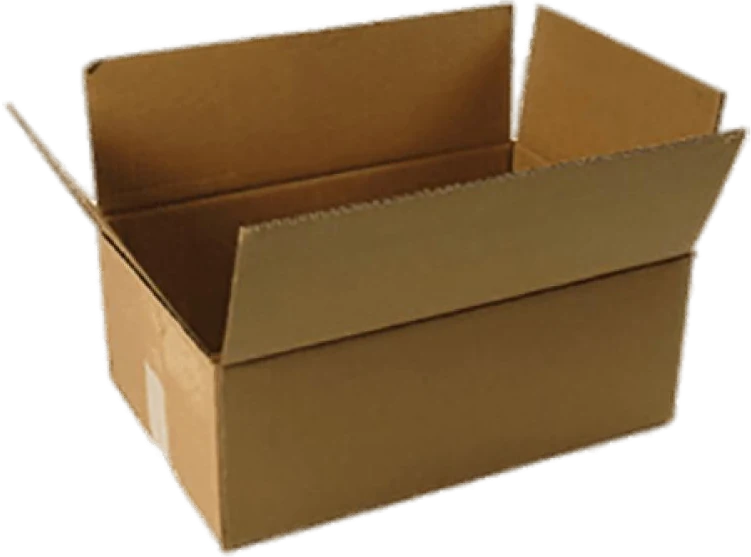
Corrugated boxes use a fluted paper structure to protect, group and transport products. Select the board grade, dimensions and closure around product weight, stacking and the delivery route.

Specification to discuss

  • Internal length × width × height
  • Product and packed gross weight
  • Board grade, flute and ply
  • Stacking, printing and closure
Get a Corrugated Boxes Quote
Corrugated Punch Box
Custom fit & presentation

Die-Cut & Punch Boxes

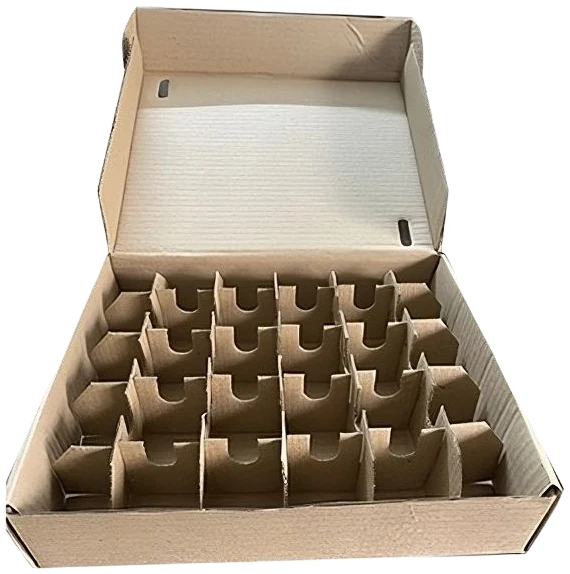
Die-cut paper packaging creates shaped cartons, inserts and partitions around the product. A suitable fit can limit movement while supporting assembly, presentation and handling.

Specification to discuss

  • Product dimensions and fit
  • Die-cut style and folding method
  • Inserts, partitions or locking tabs
  • Artwork and assembly requirements
Get a Die-Cut & Punch Boxes Quote
Corrugated Sheets
Separation & conversion

Corrugated Sheets

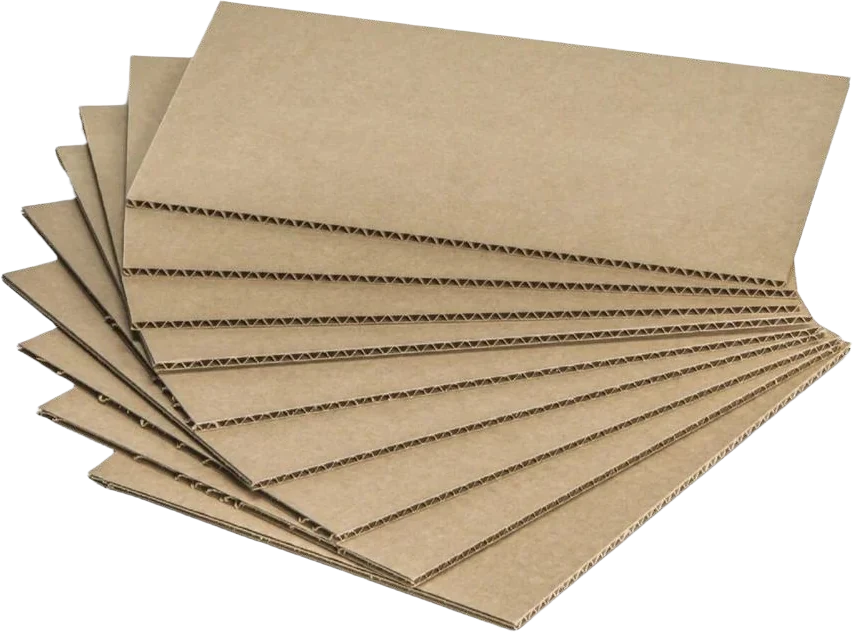
Corrugated sheets provide flat material for conversion, layer separation and surface protection. Specify the sheet size and board construction around its actual use.

Specification to discuss

  • Sheet length and width
  • Board construction and thickness
  • Layer separation or conversion use
  • Quantity and storage conditions
Get a Corrugated Sheets Quote
Board selection

Ply count is a starting point.

3-ply, 5-ply and 7-ply describe different layer constructions. Confirm board performance around load, size, stacking and exposure instead of selecting by ply count alone.

3

3-Ply

One fluted layer between two liners. Evaluate against the product and route.

5

5-Ply

Two fluted layers with three liners. Assess the required strength and fit.

7

7-Ply

Three fluted layers with four liners. Confirm suitability through the agreed checks.

Quality starts with a clear specification

From product brief to packaging checks.

Agree inspection criteria before production. No certification or performance standard is implied without supporting documentation.

  1. 01

    Product & Route

    Confirm product fit, gross weight, stacking and delivery conditions.

  2. 02

    Board & Design

    Agree board grade, flute, ply and the carton or insert style.

  3. 03

    Sample & Fit

    Review assembly, print, product fit and sample checks.

  4. 04

    Convert & Check

    Check dimensions, cuts, folds, board and the agreed inspection points.

Responsible by design

Less wastage begins with better specs.

A correctly sized paper pack with suitable board and inserts can reduce empty space, excess material and product movement.

Reusable and recyclable are different claims. Actual reuse, material recovery and recycled content depend on the construction, application and local collection system.

4 questions worth asking

01

What needs protecting?

Record product size, fragility and packed gross weight before choosing the paper structure.

02

Which handling conditions matter?

Include stacking height, pallet arrangement, transit duration and humidity.

03

Which specification is necessary?

Agree internal dimensions, board grade, flute, ply and inserts around the actual load.

04

What happens after use?

Consider flattening, separation and local collection. Coatings, contamination and mixed materials affect recovery.

Clear answers before you order

Paper packaging, explained.

Start with the product and handling conditions. Final specifications are confirmed for each order.

What does paper packaging include?

The Premo Plus paper range includes corrugated boxes, die-cut and punch boxes, inserts or partitions, and corrugated sheets. Each format uses a specification suited to the product and handling route.

How do I choose 3-ply, 5-ply or 7-ply corrugated board?

Choose board by the packed load, dimensions, stacking, transit and humidity conditions. Ply count alone does not establish performance; paper grade, flute, construction and testing also matter.

What is the difference between a regular box and a die-cut box?

A regular corrugated box uses a conventional folding design. A die-cut box is cut and creased to a selected shape, allowing features such as locking tabs, fitted inserts or display openings.

What details should I send for a paper packaging quote?

Send the product, internal pack dimensions, packed gross weight, quantity, printing and delivery location. Include board grade, flute, ply, inserts, stacking and moisture exposure when known.

Start with your packaging type

What are you looking for?